

Risk assessment and method statement (RAMS) writing
Risk assessments and method statements written around the job in front of you, so they pass a principal contractor’s review and make sense to the people doing the work.
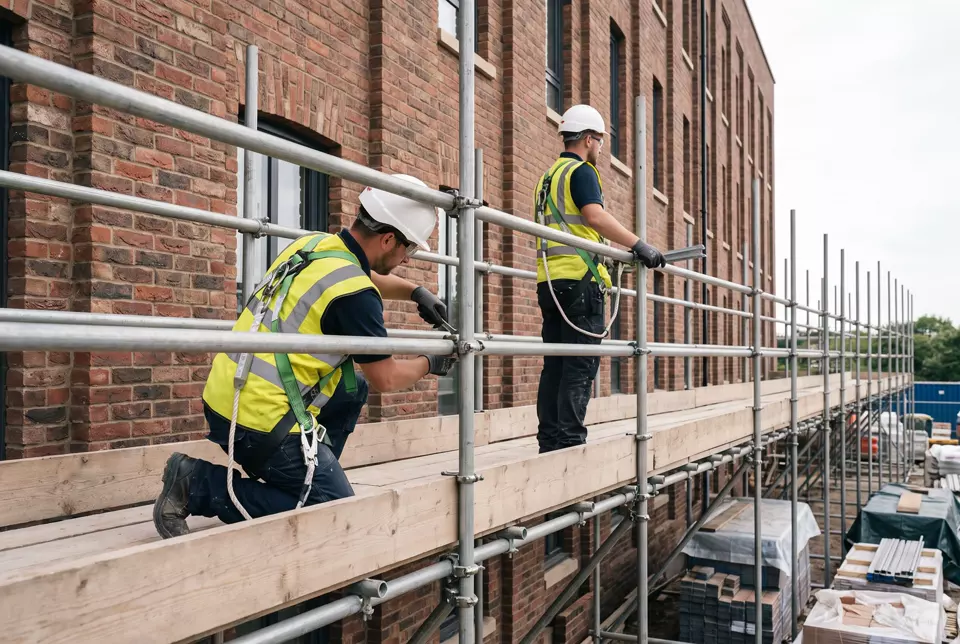
A risk assessment and method statement, usually called RAMS, sets out the hazards in a task, the controls you will use and the safe sequence of work. Resilient Consult writes RAMS and general workplace risk assessments for contractors, property teams and employers who need documents that reflect their real methods. We start from the job: the site, access, equipment, materials and people involved. Generic templates downloaded from the internet are often rejected by principal contractors, or approved and then ignored, because they describe someone else’s work.
We also review RAMS you already have, either before submission to a client or as a periodic check that your library of assessments still matches how you work. Where a task involves hazardous substances, we write the COSHH assessment alongside. Where it involves asbestos, fire-stopping or other specialist work, we make sure the method statement reflects the specialist’s own procedures.
Ask for a proposalRisk assessments and RAMS we prepare
Task-specific RAMS
Method statements and risk assessments for a defined job, such as roof work, strip-out, groundworks or plant installation.
General workplace risk assessments
Assessments for offices, schools, warehouses and premises, covering the everyday hazards of the building and its use.
Activity and role assessments
Assessments for lone working, manual handling, work at height, driving for work and similar recurring activities.
Assessments for people at greater risk
Specific assessments for new and expectant mothers, young workers and others the law treats as especially at risk.
Review of existing RAMS
A check of your current documents against the work you do, with marked-up changes or a rewrite where needed.
Toolbox talk briefings
Short briefing sheets drawn from the RAMS, so the key controls reach the people on site.
The legal duty behind a risk assessment
Regulation 3 of the Management of Health and Safety at Work Regulations 1999 requires every employer to make a suitable and sufficient assessment of the risks to employees and to anyone else affected by their work. Where you employ five or more people, the significant findings and any group of employees identified as especially at risk must be recorded. Assessments must be reviewed when there is reason to think they are no longer valid or there has been a significant change.
The method statement half of RAMS is different. HSE says method statements are not required by law for most construction activities, but describes them as an effective and practical way to plan, manage and monitor work. For demolition, dismantling and structural alteration, HSE says the arrangements must be recorded in writing before work starts, and a method statement is the usual way to do it. In practice, most principal contractors and clients make RAMS a condition of working on their sites.
What you receive
- Task-specific method statement with sequence of work
- Risk assessment with hazards, controls and residual risk
- Linked COSHH assessments where substances are involved
- Emergency and rescue arrangements for the task
- Editable copies for future jobs of the same type
- Briefing sheet for site operatives
- Review date and change log
How it runs
Gather the job details
You send the scope, drawings, site information and any client requirements, and we ask about plant, materials and team size.
Visit or walk-through
Where the task or site warrants it, we visit or talk the work through with the supervisor who will run it.
Draft and check
We write the RAMS and send a draft for your team to check against how they actually intend to work.
Issue and review
You receive final documents ready to submit, and we update them if the scope or method changes during the job.
How we write RAMS that get used
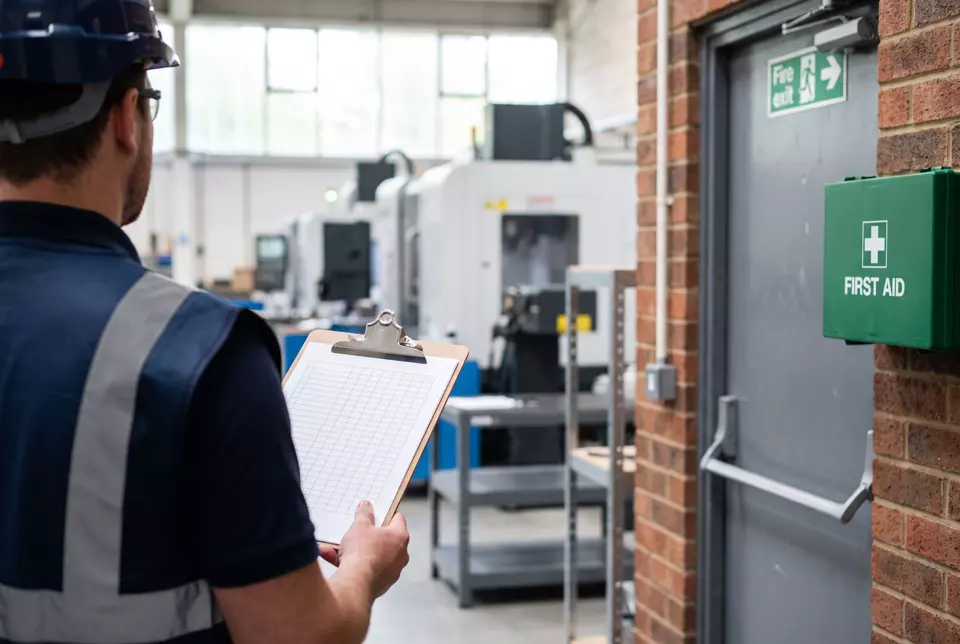
We write for two readers: the principal contractor or client who must approve the document, and the operative who needs to know what to do. That means clear task sequences, controls tied to real hazards and nothing padded out to look thorough. Resilient Consult keeps a record of what we have written for you, so repeat jobs get faster and stay consistent.
You have one contact for the whole package. If the RAMS depend on a specialist survey, such as an asbestos survey before intrusive work, we can arrange it through vetted specialist partners who hold the relevant qualifications and certification, and build their findings into the method statement before it goes to the client.
Who we do this for
Related health and safety services
-

-
-

Questions about risk assessments and RAMS
All questionsWhat is the difference between a risk assessment and a method statement?
A risk assessment identifies what could cause harm, who could be hurt and what controls are needed. A method statement describes how a particular job will be done safely, step by step, using those controls. The risk assessment is the legal duty under the Management Regulations. The method statement is the practical document that turns its findings into a safe system of work, and the two are normally submitted together as RAMS.
Our principal contractor rejected our RAMS. Can you help?
Yes. Send us the rejected documents and the comments you received. Rejections usually come down to generic content, missing site-specific detail, controls that do not match the method, or missing linked assessments such as COSHH or manual handling. We revise the documents to address each comment, and if anything is unclear we can speak to you about what the principal contractor needs before resubmission.
Do small businesses need written risk assessments?
Every employer must assess risks. The legal requirement to record the significant findings applies where you employ five or more people. Even below that number, a written assessment is usually worth having: clients and principal contractors will ask for one, and it shows you have thought the job through if anything goes wrong. We keep documents proportionate so a small firm is not buried in paperwork.
How long does it take to get RAMS written?
It depends on the complexity of the task and how quickly we receive the information we need. A straightforward job with clear details can be turned round much faster than a complex installation that needs a site visit and input from several trades. Tell us your submission deadline when you get in touch and we will say honestly whether it is achievable.
Who actually carries out the surveys and works?
We scope, manage and check every job ourselves. Specialist parts, such as fire surveys and remedial works, asbestos surveys, legionella assessments, training and alarm installations, are carried out through vetted specialist partners who hold the relevant qualifications and third-party certification for that work. You see their certificates. We remain your single point of contact and check both the work and the paperwork before it reaches you.
Do you work with contractors?
Yes. We help contractors with risk assessments and method statements, COSHH assessments, written policies and preparation for SSIP schemes such as CHAS, SafeContractor and Constructionline. On projects we can support clients and principal contractors with CDM duties, and we work alongside main contractors when managing fire remedials, so the people on site have clear information and the right paperwork before they start.
Tell us what you need.
What it is, where it is and what you need checked, fixed or managed. You get a scope and a written proposal back.
- adrian@resilientconsult.uk
- Based
- Wigan-based, working across the North West