

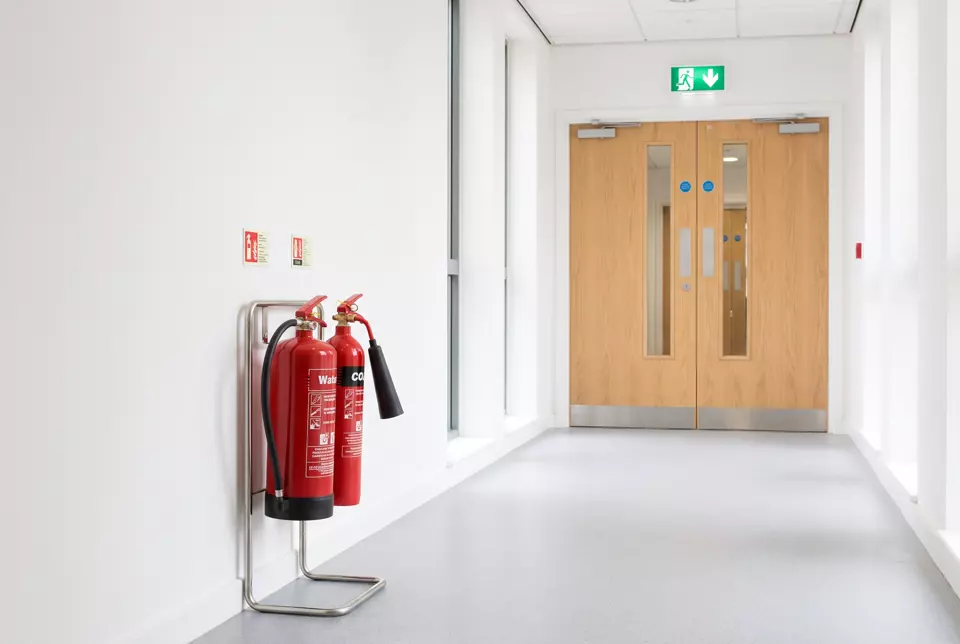
Fire risk assessments for workplaces, blocks and managed buildings
A fire risk assessment written for the building you actually run, with an action plan your team can work through and one contact to arrange the fixes.
A fire risk assessment is the starting point for almost every fire safety duty in a workplace or in the common parts of a block of flats. Resilient Consult arranges the assessment through a qualified fire risk assessor from our partner network, agrees the scope with you before anyone visits, and checks the report before it reaches you. You get a clear record of what was found, who is at risk and what needs doing, ranked so the urgent items stand out.
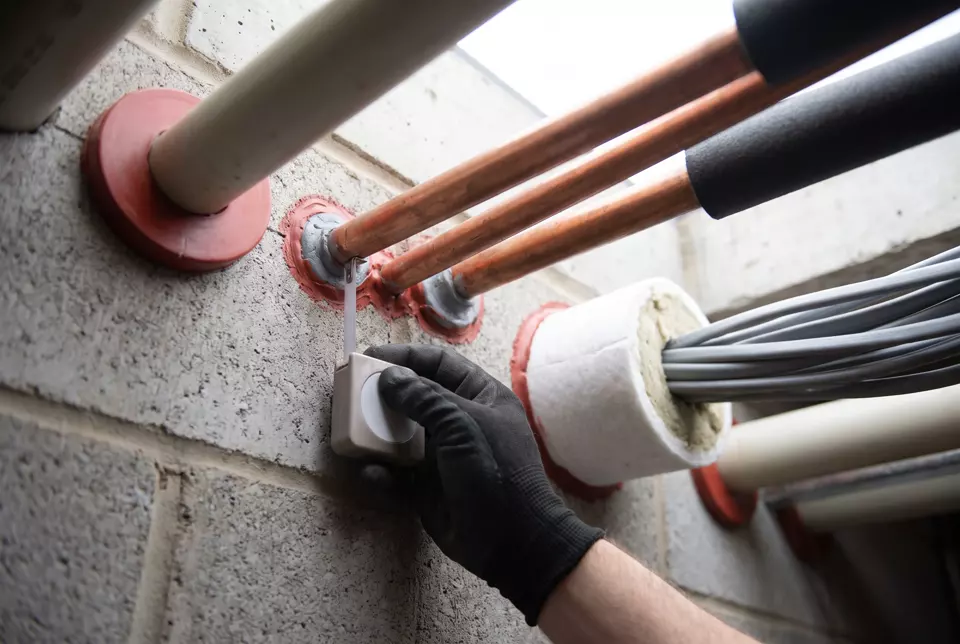
Most assessments raise actions: a door that will not close, a gap around a cable run, a corridor with no detection, a missing sign. Rather than hand you the report and leave, we can also arrange the remedial works and the follow-up visit, and we keep the action plan current as items close. We are Wigan-based and cover Greater Manchester, Lancashire, Merseyside and Cheshire.
Ask for a proposalWhat the fire risk assessment covers
Means of escape
Escape routes, travel distances, final exits, emergency lighting and signage, checked against how the building is really used.
Detection and warning
Whether the alarm system suits the building and its occupants, and whether testing and servicing records are in place.
Fire doors and separation
A visual check of fire doors, protected routes and visible breaches in fire-resisting walls and ceilings.
Ignition and fuel sources
Electrical equipment, heating, cooking, smoking, waste storage, contractors’ hot work and the risk of arson.
People especially at risk
Sleeping occupants, lone workers, visitors, young people and anyone who would need help to get out.
Fire safety management
Training, drills, logbooks, maintenance contracts and the information given to staff, residents and other occupiers.
The legal duty: article 9 of the Fire Safety Order
Under article 9 of the Regulatory Reform (Fire Safety) Order 2005, the responsible person must make a suitable and sufficient assessment of the risks to relevant persons, to identify the general fire precautions needed. The assessment must be reviewed regularly, and again whenever there is reason to suspect it is no longer valid or there has been a significant change, such as a refurbishment, a change of use or a new occupier.
Since 1 October 2023, amendments made by the Building Safety Act 2022 require the responsible person to record the assessment or review, including its findings, the measures taken or planned, and any group of people identified as especially at risk. In buildings with two or more homes, the Fire Safety Act 2021 confirms that the Order covers the structure, external walls, common parts and the doors between flats and common parts, so the assessment has to look at those as well.
What you receive
- A written fire risk assessment, recorded in line with article 9
- A prioritised action plan with a suggested owner for each item
- Photographs of each significant finding
- A note of people especially at risk and the arrangements for them
- A recommended date for the next review
- Quotes and a programme for the remedial works, if you want us to arrange them
- A reissued action plan as items are closed out
How it runs
Scope and documents
We confirm the building, its use and occupancy, and gather what already exists: previous assessments, alarm logs, drawings and maintenance records.
Site assessment
A qualified assessor walks the building, including plant rooms and escape routes, and talks to whoever runs the site day to day.
Report and walk-through
We check the draft for clarity and completeness before it is issued, then go through the action plan with you item by item.
Close out the actions
If you want, we arrange the remedial works through our partners, track progress and update the action plan as each item is signed off.
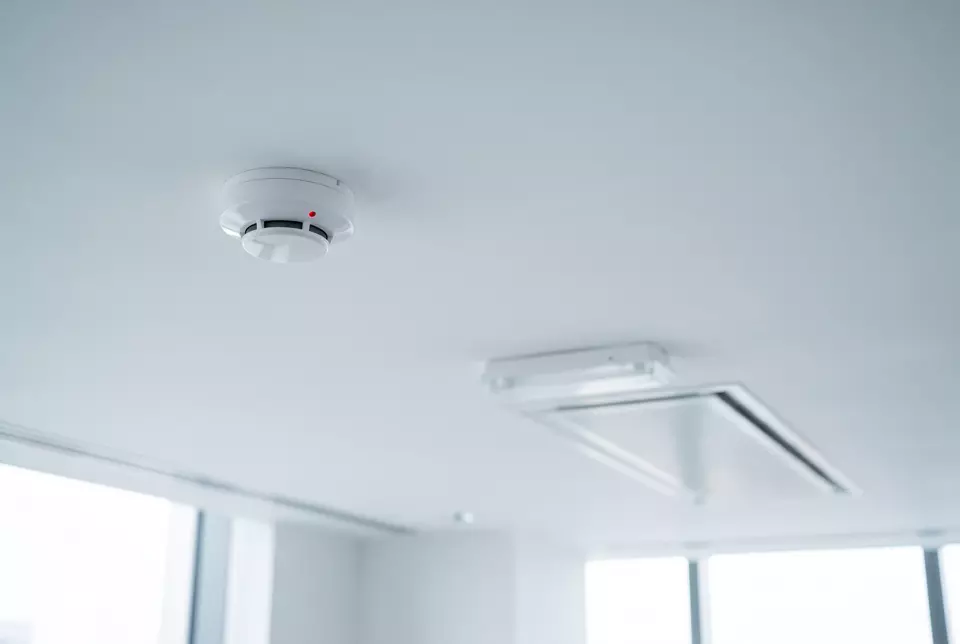
How we run your fire risk assessment
You deal with one person from the first call to the last closed action. Resilient Consult does not pretend to employ every specialist. The assessment is carried out by assessors who hold the relevant qualifications and third-party certification for that work, and you see the certificates before they start. Our job is to scope it properly, keep the programme moving and check what comes back.
That matters most after the report lands. A long action plan is easy to file and forget. We turn it into a schedule, arrange the trades that can close each item, and reissue the plan so your records always show what is outstanding and what has been done, which is exactly what an enforcing authority will ask to see.
Who we do this for
Related fire safety and compliance services
-
-
-
Questions about fire risk assessments
All questionsHow often should a fire risk assessment be reviewed?
The Order does not set a fixed interval. Article 9 says the assessment must be reviewed regularly, and whenever there is reason to think it is no longer valid or something significant has changed, such as building work, a new tenant or a change in how the space is used. The right interval depends on the building and its occupants, so every report we arrange states a recommended review date.
Can I carry out the fire risk assessment myself?
In a small, simple premises a responsible person with enough knowledge and training may be able to. The test is whether the result is suitable and sufficient. Buildings with sleeping accommodation, complicated layouts, several occupiers or vulnerable people usually need a professional assessor. If you are unsure, send us the details and we will tell you honestly whether outside help is needed.
Does the assessment include flat entrance doors?
Yes, in a block of flats the common-parts assessment looks at flat entrance doors, because the Fire Safety Act 2021 confirmed they fall under the Order. Inside individual flats is normally outside the scope unless agreed. In buildings over 11 metres, separate routine door checks under the Fire Safety (England) Regulations 2022 also apply, which we can arrange alongside the assessment.
What happens after we receive the report?
That is up to you. Some clients have an in-house team to close the actions. Others ask us to arrange the work: fire door repairs, firestopping, alarm changes, signage or emergency lighting. Either way, we can reissue the action plan as items are completed, so the record stays current and the next review starts from an accurate picture.
Who actually carries out the surveys and works?
We scope, manage and check every job ourselves. Specialist parts, such as fire surveys and remedial works, asbestos surveys, legionella assessments, training and alarm installations, are carried out through vetted specialist partners who hold the relevant qualifications and third-party certification for that work. You see their certificates. We remain your single point of contact and check both the work and the paperwork before it reaches you.
Who is the responsible person for fire safety?
Under the Regulatory Reform (Fire Safety) Order 2005, the responsible person for a workplace is the employer, where it is under their control. For other premises it is the person in control of the building in connection with a business or undertaking, or the owner. In a block of flats that is usually the freeholder or managing agent. The responsible person must make sure a suitable and sufficient fire risk assessment is in place.
Tell us what you need.
What it is, where it is and what you need checked, fixed or managed. You get a scope and a written proposal back.
- adrian@resilientconsult.uk
- Based
- Wigan-based, working across the North West