

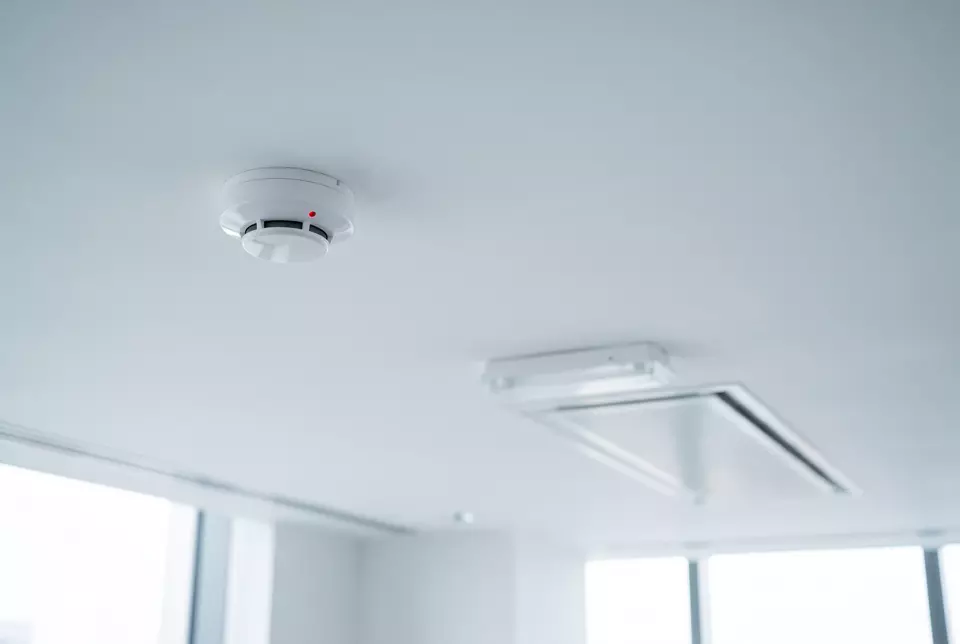
Fire alarm installation and maintenance to BS 5839-1
Fire detection and alarm systems designed, installed, serviced and repaired through specialist partners, with one contact handling the programme and the paperwork.
Fire alarm installation and maintenance is easier to manage when one contact handles the design, the install, the servicing and the certificates. Resilient Consult arranges fire detection and alarm systems for commercial premises and the common parts of residential buildings through specialist partners. That ranges from a new addressable system in a refurbished office to extra detection where a fire risk assessment found gaps, or replacing a panel that is past its useful life.
The right system starts with the risk. We make sure the category and coverage follow your fire risk assessment and fire strategy, rather than a standard package. After handover, we arrange periodic servicing at the intervals BS 5839-1 recommends, deal with faults and repairs, and keep the logbook and certificates in order, so you always know the system’s status and what is due next.
Ask for a proposalFire alarm services we arrange
System design
A design to the BS 5839-1 category that suits the building, its occupants and the fire strategy, with zone plans and cause and effect.
Installation
Conventional, addressable and wireless systems installed in occupied or empty buildings, with work phased around your operations.
Commissioning and handover
Full testing of devices and outputs, certification, and a clear handover to whoever will run the weekly tests.
Upgrades and extensions
New detection for extensions or changes of use, panel replacements, and moves to a higher category where the risk calls for it.
Servicing and maintenance
Periodic inspection and servicing by competent engineers, recorded in the logbook with a certificate after each visit.
Faults and repairs
Fault-finding, device replacement and false alarm investigation, arranged through the same point of contact.
The legal duty and BS 5839-1 categories
Under article 13 of the Regulatory Reform (Fire Safety) Order 2005, the responsible person must, where necessary, make sure premises have appropriate fire detectors and alarms. Article 17 then requires those systems to be kept under a suitable system of maintenance, in efficient working order. The fire risk assessment is where the need for detection, and the level of it, should be identified.
BS 5839-1 is the code of practice for fire detection and fire alarm systems in non-domestic premises. As Approved Document B summarises, it sets out three categories of system: Category L for the protection of life, Category M for manual systems, and Category P for property protection, with L and P divided further by how much of the building is covered. Common parts of some residential buildings are also designed to BS 5839-1.
What you receive
- A design specification stating the system category and its basis
- Zone plans and a cause and effect schedule
- Installation and commissioning certificates
- A completed logbook and handover to your responsible person
- Servicing certificates after each maintenance visit
- Written recommendations where the system no longer suits the risk
- Before, during and after photos and progress reports on larger upgrade programmes
How it runs
Assess the need
We review your fire risk assessment, the building and how it is used, and confirm the category and coverage required.
Design and quote
A partner designer produces the specification and zone plan, which we check against the brief before quotes are issued.
Install and commission
Installers fit, test and commission the system, then hand over certificates, the logbook and user training.
Service and maintain
We schedule periodic servicing, arrange repairs and keep your records up to date for the life of the system.
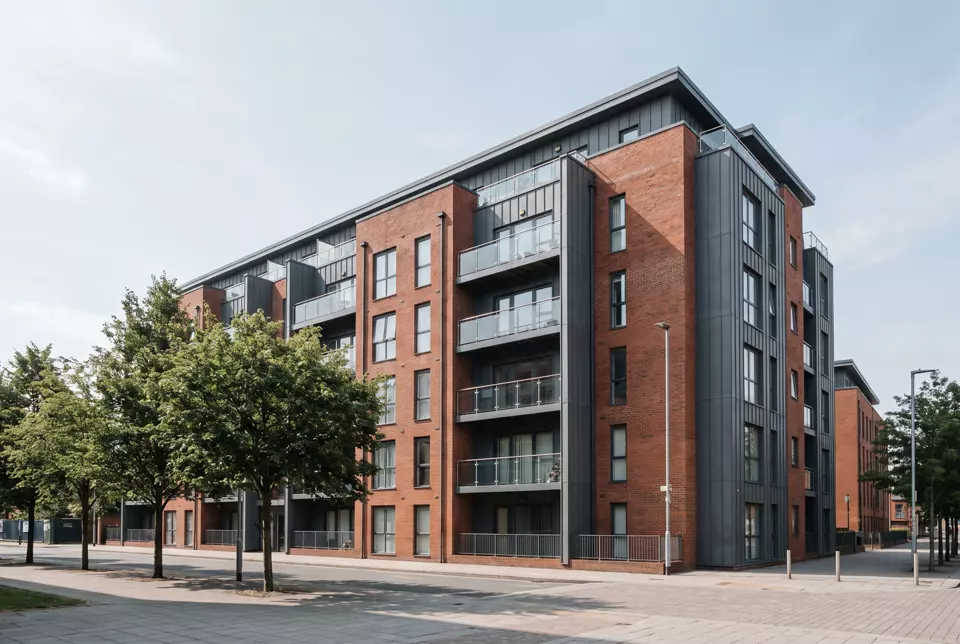
How we manage your fire alarm system
Alarm work often gets split between a designer, an installer and a separate maintenance firm, with gaps in the paperwork between them. Resilient Consult keeps it in one place. Design, installation and servicing are carried out by partners who hold the relevant qualifications and third-party certification for that work, and you see their certificates.
You keep one point of contact for the whole life of the system. We check the design suits your fire risk assessment, make sure commissioning and servicing certificates are complete, and flag when the building has changed enough that the system needs to change with it.
Who we do this for
Related fire safety and compliance services
-
-
-
Questions about fire alarm systems
All questionsWhich category of fire alarm do we need?
It depends on the risk, which is why the fire risk assessment comes first. A Category M system relies on people raising the alarm at manual call points. Category L systems add automatic detection to protect life, with different levels of coverage. Category P is aimed at protecting property. Many buildings need a combination, set out in the design specification.
How often should a fire alarm be serviced?
BS 5839-1 recommends periodic inspection and servicing by a competent person, alongside routine user tests by the responsible person or someone they nominate. The interval is stated in the standard and on your servicing certificate, and may be shorter for complex systems. We schedule visits accordingly and keep the logbook up to date.
Can you take over the maintenance of an existing system?
Yes. We start with a check of the system, its logbook and its last certificates, then arrange servicing through a partner who can support that panel and its devices. If the system no longer suits the building or the fire risk assessment, we tell you in writing and explain the options.
Our alarm keeps giving false alarms. Can you help?
Yes. Repeated false alarms usually point to the wrong detector type in the wrong place, contamination, damage or a fault. We arrange an investigation, review the logbook for patterns and recommend changes, which might be different detectors, relocation or better management of activities that set the system off, such as cooking, steam or dust from building work.
Who actually carries out the surveys and works?
We scope, manage and check every job ourselves. Specialist parts, such as fire surveys and remedial works, asbestos surveys, legionella assessments, training and alarm installations, are carried out through vetted specialist partners who hold the relevant qualifications and third-party certification for that work. You see their certificates. We remain your single point of contact and check both the work and the paperwork before it reaches you.
Who is the responsible person for fire safety?
Under the Regulatory Reform (Fire Safety) Order 2005, the responsible person for a workplace is the employer, where it is under their control. For other premises it is the person in control of the building in connection with a business or undertaking, or the owner. In a block of flats that is usually the freeholder or managing agent. The responsible person must make sure a suitable and sufficient fire risk assessment is in place.
Tell us what you need.
What it is, where it is and what you need checked, fixed or managed. You get a scope and a written proposal back.
- adrian@resilientconsult.uk
- Based
- Wigan-based, working across the North West