
Health and safety audit: an honest check of how you manage risk
An independent look at your paperwork, your sites and how people really work, ending in a prioritised action plan you can work through.
A health and safety audit tests whether your arrangements work in practice, not just whether the documents exist. Resilient Consult reviews your policy, risk assessments, training records, inspections and incident reports, then compares them with what we see on site and hear from staff. The result is a clear picture of where you are compliant, where you are exposed and what to fix first. Organisations commission audits before a tender or SSIP assessment, after an incident, following a change of management, or simply because nobody has looked with fresh eyes for a while.
We keep the audit proportionate. A small office needs a different depth of review from a contractor with several live sites or a school with workshops, laboratories and grounds. We agree the scope, sites and records in advance so the visit is focused, and we report in plain language with actions ranked by risk, so you can plan time and budget around the findings.
Ask for a proposalWhat a health and safety audit looks at
Policy and responsibilities
Whether your policy is current, signed and matches who actually does what in the organisation.
Risk assessment quality
Whether assessments cover the real activities, identify sensible controls and have been reviewed when things changed.
Workplace inspection
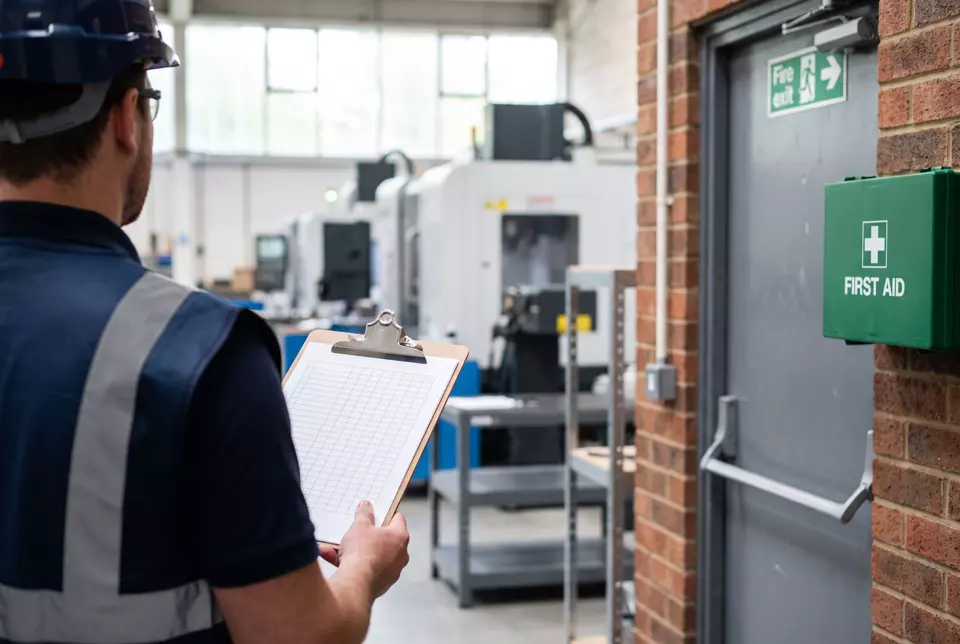
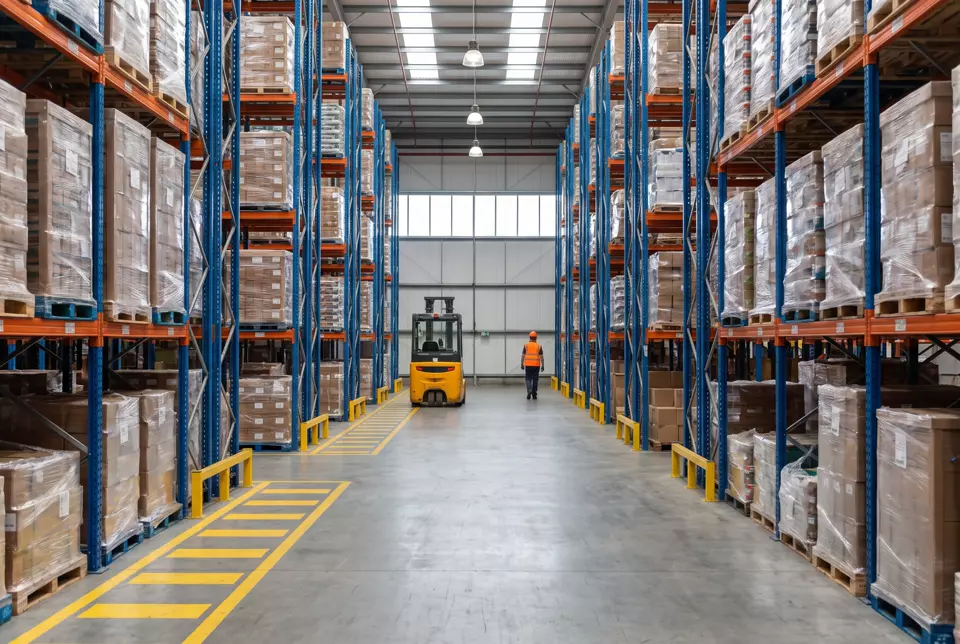
A walk round sites or premises to compare conditions, equipment and behaviour with what the paperwork says.
Training and competence
Whether training records support the tasks people do, and where refreshers or inductions are missing.
Statutory inspections and records
Checks that required examinations, servicing and reports are in date and filed, from fire safety to work equipment.
Incidents and monitoring
How accidents and near misses are recorded and investigated, and whether lessons feed back into your controls.
Monitoring and review: the legal basis for auditing
Regulation 5 of the Management of Health and Safety at Work Regulations 1999 requires employers to have arrangements for the effective planning, organisation, control, monitoring and review of their preventive and protective measures, and to record those arrangements where there are five or more employees. An audit is one of the most direct ways to show that the monitoring and review parts are actually happening.
HSE’s guidance Managing for health and safety (HSG65) sets out the Plan, Do, Check, Act approach, where checking performance is what tells you whether your plans are working. Regulation 3 also requires risk assessments to be reviewed where there is reason to suspect they are no longer valid or there has been a significant change. An audit is often where those out-of-date assessments come to light.
What you receive after the audit
- Written audit report in plain language
- Summary of strengths and areas of concern
- Action plan ranked by risk with suggested owners
- Photographs of significant findings
- List of documents and records reviewed
- Debrief call or meeting to walk through the findings
- Optional follow-up visit to check progress
How it runs
Set the scope
We agree which sites, departments and activities are included, and the records you will share beforehand.
Document review
We read your policy, risk assessments, training and inspection records before the visit, so time on site is well used.
Site visit and interviews
We inspect the workplace and talk with managers and staff about how tasks are really carried out.
Report and debrief
You receive the report and action plan, and we talk through priorities and how to close the gaps.

Why use us for your audit
An audit is only useful if the findings get acted on. Resilient Consult gives you one point of contact who can stay involved after the report: helping rewrite risk assessments, arranging fire or asbestos specialists where the audit points to gaps, and returning to check progress if you want us to.
We audit against the law and HSE guidance that applies to your activities, rather than a generic checklist. Where a finding needs specialist testing, such as air monitoring or a legionella risk assessment, we say so plainly and can arrange it through vetted specialist partners who hold the relevant qualifications and certification, then fold their results back into your action plan.
Who we do this for
Related health and safety services
-
-
-
Questions about health and safety audits
All questionsHow is an audit different from a risk assessment?
A risk assessment looks at the hazards in a particular activity or workplace and decides on controls. An audit steps back and asks whether your whole system works: whether assessments exist and are any good, whether people are trained, whether inspections happen and whether problems get followed up. An audit often recommends new or revised risk assessments, which we can then prepare for you as a separate piece of work.
Will our staff be interviewed?
Usually, yes, briefly. Talking with supervisors and people doing the work is the best way to find out whether procedures are followed or just written down. We keep conversations short and practical, agree timings with you so work is not disrupted, and report on systems and patterns rather than singling out individuals. If you would prefer the audit to be documents and a site walk only, we can scope it that way.
Does an audit guarantee we pass an inspection or SSIP assessment?
No audit can guarantee an outcome, and you should be wary of anyone who says otherwise. What it does is show you, before an inspector or assessor does, where your arrangements fall short and what to do about it. Working through the action plan puts you in a much stronger position, and our accreditation support page covers the SSIP side in more detail.
How often should we have a health and safety audit?
There is no fixed legal interval. Many organisations audit once a year, and more often where work is higher risk, spread across several sites or changing quickly. A change of management, a significant incident, new premises or a major contract are all good triggers for an audit outside the usual cycle. We can suggest a sensible frequency once we understand your activities.
Who actually carries out the surveys and works?
We scope, manage and check every job ourselves. Specialist parts, such as fire surveys and remedial works, asbestos surveys, legionella assessments, training and alarm installations, are carried out through vetted specialist partners who hold the relevant qualifications and third-party certification for that work. You see their certificates. We remain your single point of contact and check both the work and the paperwork before it reaches you.
Do you work with contractors?
Yes. We help contractors with risk assessments and method statements, COSHH assessments, written policies and preparation for SSIP schemes such as CHAS, SafeContractor and Constructionline. On projects we can support clients and principal contractors with CDM duties, and we work alongside main contractors when managing fire remedials, so the people on site have clear information and the right paperwork before they start.
Tell us what you need.
What it is, where it is and what you need checked, fixed or managed. You get a scope and a written proposal back.
- adrian@resilientconsult.uk
- Based
- Wigan-based, working across the North West